Blog ·
The Connection Between Your Environment and Well-Being
How Spaces Shape Your Mental State
Your home is far more than shelter. The spaces you inhabit daily influence your mood, energy, and overall sense of well-being. When your environment aligns with your needs and values, everything from sleep quality to productivity improves naturally.
Physical disorder creates mental friction. Cluttered surfaces demand attention even when you're trying to focus on something else. Disorganized spaces mean you spend energy searching for things instead of using that energy for activities you enjoy. This constant low-level frustration accumulates, leaving you tired without knowing why.
Conversely, thoughtfully arranged spaces ease your daily life. When everything has a designated place and you can move through your home without navigating obstacles, your mind relaxes. You conserve mental energy for things that matter to you.
Light, Color, and Atmosphere
Natural light has measurable effects on circadian rhythms and mood. Spaces that allow light to enter and move throughout the day feel more alive and supportive. When natural light is limited, strategic artificial lighting becomes essential. The color temperature of your lighting affects how energized or calm you feel.
Colors influence atmosphere in subtle but significant ways. Cool tones generally feel calming, while warm tones create coziness. Blues and greens support focus and relaxation. Warm earth tones encourage comfort and grounding. Your color choices should align with how you want to feel in each space.
Creating Spaces That Support Your Life
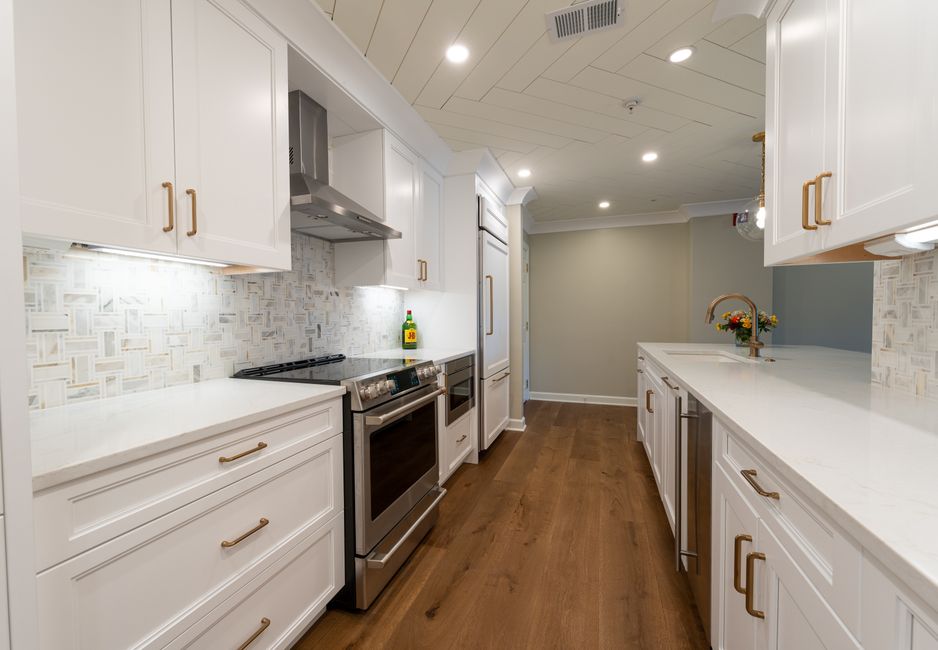
When a bedroom promotes restful sleep because it's dark, quiet, and organized, you wake refreshed. When a kitchen is efficiently arranged with everything accessible, cooking becomes enjoyable rather than frustrating. When a work area has good lighting and minimal distractions, focus comes more easily.
This is the real power of home transformation. You're not chasing perfection or trends. You're creating an environment that actively supports how you want to live and feel.
Consider one area of your home that consistently frustrates you. What specific changes would make it work better for you? That's where your transformation begins. Small shifts in how you arrange and design your space can create meaningful improvements in how you experience your daily life.