Blog ·
How to Assess Your Space Before Starting a Transformation
Understanding Your Current Space
Before you begin any home transformation, take time to understand what you're working with. Walk through each room and observe how you actually use the space, not how you think you should use it. Does natural light enter in the morning or afternoon? Where do you naturally congregate with family? Which corners feel neglected or cluttered?
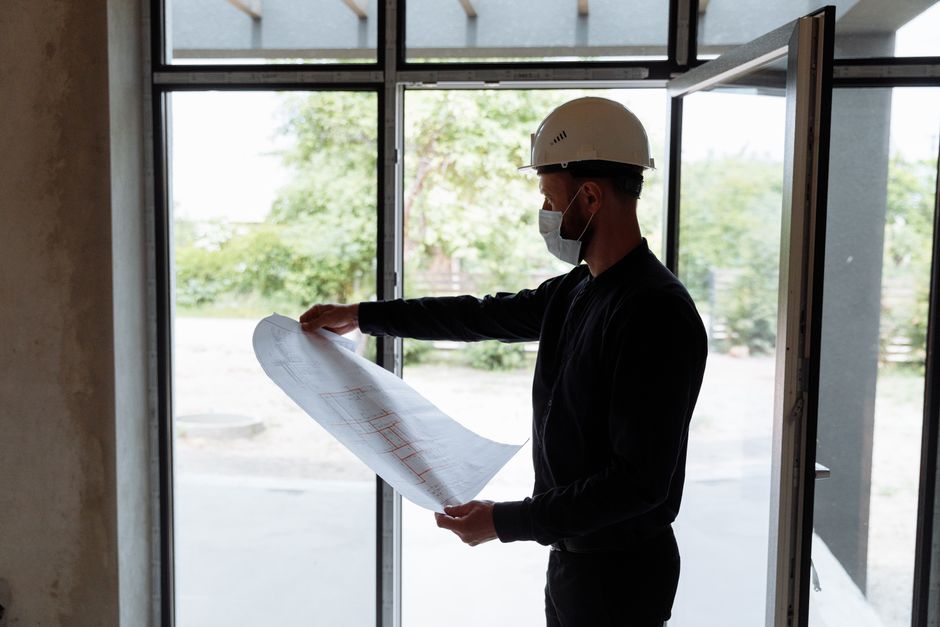
Start by measuring your rooms accurately. Note the placement of windows, doors, electrical outlets, and permanent fixtures. Understanding these physical constraints helps you make realistic decisions about furniture placement and layout changes. Take photographs from multiple angles during different times of day to see how light affects the space.
Identifying Problem Areas
Next, list the specific issues bothering you. Are surfaces cluttered? Does traffic flow awkwardly from one room to another? Do certain areas feel cramped or disconnected? Does the space feel cold and uninviting? Be specific rather than vague. Instead of the living room feels wrong, note we lack adequate seating and conversation feels difficult.
Consider functionality alongside aesthetics. A beautiful room that doesn't serve your daily needs will eventually frustrate you. Think about how your life actually works. If you work from home, do you have a dedicated workspace? If you entertain, is there comfortable seating for guests?
Creating Your Vision
Gather inspiration from sources that resonate with you. Look at images online, visit stores, or explore other homes. Notice what actually appeals to you rather than what you think should appeal to you. Your preferences matter more than design trends.
Write down words that describe the atmosphere you want to create. Calm and organized? Energetic and social? Professional and focused? Your space should support how you want to feel and function. This emotional foundation guides decisions better than any checklist.
Setting Priorities
You don't need to transform everything at once. Identify which changes would make the biggest difference in your daily life. Perhaps one cluttered closet affects your entire morning routine. Maybe poor lighting makes an otherwise nice room feel gloomy. Small targeted improvements often create noticeable shifts in how you experience your home.
Finally, be honest about your budget and timeline. Realistic expectations prevent frustration. A thoughtful transformation happens gradually and intentionally, creating lasting improvements you'll genuinely appreciate and maintain.